Sons of Sparta Combat Review: Kratos's Color-Coded Battles
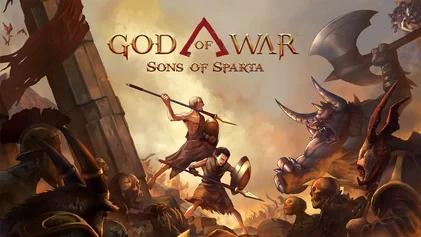
Step into a version of Sparta unlike any you've experienced before in Mega Cat Studios' ambitious prequel, God of War: Sons of Sparta. This isn't the Kratos of god-slaying fame, but a younger, barely double-digit-aged Spartan boy, accompanied by his brother Deimos, embarking on his earliest trials. Our in-depth Sons Of Sparta Review will peel back the layers of its retro-style design, dissect its unique color-coded combat, and determine if this journey into Kratos's formative years truly carves its own mythic path or merely echoes the greatness of its successors.
Unveiling Young Kratos: A Spartan Prequel's Premise
From the moment you begin Sons of Sparta, it's clear this is a different beast from the main God of War series. We're introduced to Kratos and Deimos, fresh from earning their right to venture beyond Sparta's walls. The stakes here are markedly lower, trading grand cosmic conflicts for more personal, ground-level adventures. Think less epic saga, more a "Hardy Boys in ancient Greece" vibe, as Kratos, the budding Spartan rules nerd, finds ways to justify his actions with warrior teachings, while the headstrong Deimos often charges ahead, prompting solo exploration from his brother.
The narrative premise, centering around a hunt for a missing Spartan student in the labyrinthine sewers, offers a refreshing change of pace. It successfully establishes a foundation for the brothers' dynamic and Kratos's nascent warrior instincts, even if it lacks the immediate visceral thrill of later adventures. This exploration of Kratos's youth provides a compelling God of War Sons of Sparta: Young Kratos's Hardy Boys Adventure narrative that, while unfamiliar, is far from unwelcome. The game’s Metroidvania-style map design subtly reinforces this journey of discovery, with interconnected pathways spiraling out from Sparta, inviting players to uncover its secrets screen by sprawling screen.
The Heart of Battle: Deconstructing Sons of Sparta's Combat
For a game bearing the God of War moniker, combat expectations are astronomically high. Early hours with Sons of Sparta present a combat system that is, at first glance, a departure from the fluid, impactful encounters fans have come to expect. Initial impressions often highlight a sense of floatiness and slowness, with player and enemy animations feeling clunky and somewhat uninspired. Confronting a cyclops early on, for instance, might leave you with a shrug rather than the adrenaline-fueled bombast the series usually delivers.
This initial feedback, however, doesn't tell the whole story. As you progress deeper into Sons of Sparta, a more nuanced picture emerges. While the initial skirmishes might lack the weight of Kratos's Blades of Chaos, later reviews praise the combat as it evolves, becoming more enthralling as enemies unleash varied attacks demanding specific methods of evasion. New abilities steadily expand Kratos's offensive arsenal, adding welcome layers to each encounter. It suggests a significant learning curve or a deliberate design choice to reflect young Kratos's inexperience, gradually building his combat prowess alongside the player's. This gradual unfolding of complexity is a hallmark of many Metroidvanias, rewarding persistence and mastery rather than immediate gratification.
Mastering the Spectrum: Navigating Kratos's Color-Coded Arena
The true innovation, and potential point of contention, in Sons of Sparta's combat lies in its unique color-coded system. This mechanic transforms battles into a test of observation and responsive action, demanding more than just button mashing. Here’s a breakdown of what you’ll face:
- Red Attacks: These unblockable assaults demand a swift dodge. Timely evasion is key to avoiding significant damage.
- Blue Attacks: Conversely, blue attacks cannot be dodged but must be blocked. This forces players to switch dynamically between defensive maneuvers.
- Yellow Attacks: To counter yellow attacks, you must master the art of the parry, timing your shield bash perfectly to interrupt the enemy and create openings.
- Purple Attacks: The most dangerous, purple attacks require complete avoidance. These often signify area-of-effect or highly damaging abilities that cannot be mitigated through standard defenses.
Beyond direct attacks, enemies can also project colored aura shields. These shields glow specific colors, requiring you to negate them with either spirit or magic attacks. While this system introduces genuine complexity and requires a high degree of situational awareness, it can also feel like a "rote test of matching responses" rather than a fluid, natural combat flow, particularly in the early stages. The trick to excelling lies in recognizing patterns quickly and committing the color associations to muscle memory. On normal difficulty, the game isn't overwhelmingly hard, giving players space to learn without excessive punishment, though mastering these nuances is crucial for boss encounters and higher difficulty settings. This innovative approach to combat, while initially challenging, becomes the defining characteristic of the game's engagements.
Pro Tip for Color-Coded Combat: Dedicate a few minutes in a low-stakes area to consciously practice each color-response pairing. Don't just react; understand *why* you're reacting. Visualizing the color as a specific command (e.g., "Red means ROLL!") can significantly improve your response time and reduce panic during intense fights.
Beyond the Blade: Metroidvania Exploration and Artistic Vision
As a Metroidvania, Sons of Sparta encourages thorough exploration. The interconnected maps, spiraling outwards from Sparta, promise a satisfying sense of progression and discovery. While the early game might feature large screens where action can sometimes get lost, the overall level design is praised for being tight and thoughtful, especially as new abilities open up previously inaccessible pathways. This adherence to Metroidvania conventions ensures that progression feels earned, with new powers not just enhancing combat but also enabling deeper exploration.
However, the game’s aesthetic presentation, while competent, doesn't always manage to fully inspire. The art direction is described as functional rather than breathtaking, fitting for a retro-style title, but perhaps not reaching the mythic visual heights fans might associate with the God of War brand. Enemy design, too, can suffer from repetition, and the skill tree, while present, is on the conservative side, limiting the depth of player customization one might expect from a modern Metroidvania. Even the finishing moves, while resulting in gory blood splatter, are often described as dull, tame, and weightless when compared to the brutal elegance of executions in titles like Blasphemous or The Last Faith.
Despite these points, the tight platforming and puzzles are generally well-received, complementing the exploration aspect. For a more general overview of the game's genre fit, you might find insight in God of War: Sons of Sparta - A Solid, Unexcelling Metroidvania.
Final Verdict: Does Sons of Sparta Forge Its Own Myth?
God of War: Sons of Sparta is a well-designed, albeit conventional, Metroidvania that carves out a unique niche within the broader God of War universe. It bravely presents a younger, less seasoned Kratos, offering a narrative perspective rarely explored. While its combat initially feels less impactful and its color-coded system demands a period of adjustment, its depth grows significantly through the journey. The game truly finds its stride as new abilities are unlocked and players adapt to its distinctive battle rhythm, transforming what might start as a "rote test" into a rewarding challenge. It may not reach the mythic heights of its mainline counterparts, nor does its art direction consistently inspire, but Sons of Sparta is a solid, well-crafted experience that knows exactly what it wants to be. For fans eager to see a different side of Kratos, or for Metroidvania enthusiasts seeking a fresh take on combat mechanics, this prequel offers a compelling, if occasionally unexcelling, adventure into the formative years of the God of War.